Determine Your Budget
Setting a budget is a practical first step in choosing an engagement ring. Knowing how much you’re comfortable spending helps narrow down options and allows you to focus on rings that meet both your financial and aesthetic preferences. Remember, a meaningful ring doesn’t have to be the most expensive one; it should simply reflect your love and commitment.
Understand the 4 Cs: Cut, Color, Clarity, and Carat
The 4 Cs—Cut, Color, Clarity, and Carat—are the primary factors that determine a diamond’s quality and value. Understanding these elements can help you choose a diamond that balances beauty with budget:
- Cut: This affects how well a diamond sparkles. A high-quality cut can make a smaller diamond look more brilliant.
- Color: Diamonds range from colorless to light yellow; colorless diamonds are typically more valuable.
- Clarity: Refers to the absence of imperfections. Higher clarity levels mean fewer flaws, though many imperfections are invisible to the naked eye.
- Carat: Carat weight affects the size of the diamond, with larger diamonds typically costing more. Finding a balance between size and quality is key.
Choose the Right Setting
The setting is the metal framework that holds the diamond in place and significantly impacts the ring’s overall look. Popular settings include:
- Prong: Allows maximum light to enter the diamond, enhancing sparkle.
- Bezel: Encircles the diamond, offering a secure and modern look.
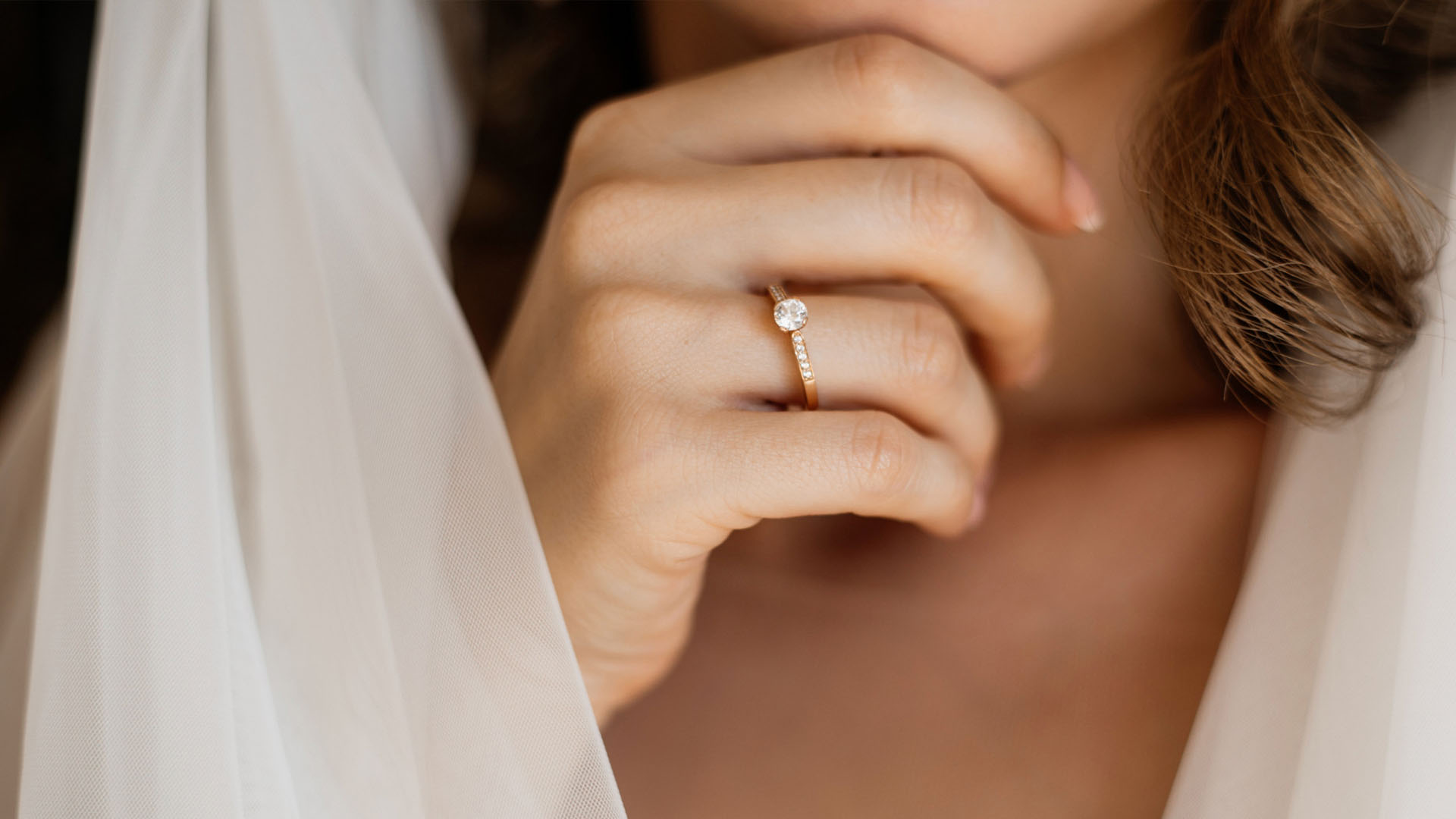
- Pavé: Small diamonds along the band add extra sparkle.
Select a setting that complements the diamond shape and reflects your partner’s style. Certain settings, like bezel, also offer added security, making them ideal for those with an active lifestyle.
Pick a Metal Type
Engagement rings come in various metals, each with its own aesthetic and durability:
- Platinum: Known for durability and hypoallergenic properties, it’s a popular choice for engagement rings.
- White Gold: Offers a similar look to platinum at a lower cost.
- Yellow Gold: A classic choice that complements vintage and traditional styles.
- Rose Gold: Provides a romantic, warm tone and is an increasingly popular option.
Choose a metal that complements your partner’s skin tone and personal style.
Consider Your Partner’s Style
Observing your partner’s style can provide valuable clues about their ring preferences. Take note of the type of jewelry they typically wear—whether it’s simple and classic, bold and modern, or vintage-inspired. If you’re unsure, consider asking friends or family members for insights or browsing together to get a better sense of their taste.
Think About Future Upgrades
Some couples choose to upgrade their engagement ring over time, adding additional stones or resetting the diamond. If this is something you’re open to, discuss it with your jeweler to ensure your chosen ring can accommodate future modifications.
Consult with a Reputable Jeweler
Working with a trusted jeweler can make the process smoother and more enjoyable. A good jeweler will provide guidance on choosing the best diamond for your budget and preferences, answer questions, and ensure you make an informed decision. Look for jewelers with positive reviews, certifications, and a strong reputation in the industry.
Conclusion
Choosing the perfect engagement ring is about understanding quality, style, and your partner’s preferences. By balancing factors like budget, diamond quality, setting, and metal type, you can find a ring that beautifully symbolizes your love and commitment. With thoughtful consideration, your engagement ring will be a cherished piece for a lifetime.